In This Article
- Understanding Coinbase's Place in the Crypto Market
- Security Features and Protocols
- Regulatory Compliance and Financial Security
- User Privacy and Data Protection
- Trading Experience on Coinbase
- Customer Support and Service Quality
- Coinbase's Additional Services and Features
- Protection Against External Threats
- Tips for Personal Security and Best Practices
- Understanding Risks in Cryptocurrency Trading
- Frequently Asked Questions
As the largest U.S.-based exchange, Coinbase offers a user-friendly experience for both beginners and advanced traders. With over 110 million verified users worldwide, the platform provides a range of cryptocurrencies to trade. They also have a reputation for regulatory compliance, which adds an extra layer of trust.

Understanding Coinbase's Place in the Crypto Market
Coinbase's Reputation and Legitimacy
Furthermore, security measures such as two-factor authentication and cold storage for assets enhance its legitimacy. Although reports of past security breaches could cause some hesitancy, Coinbase’s response to these incidents helped maintain its credibility in the crypto space.
Coinbase as a Public Company
Being public also holds Coinbase accountable to shareholders, which can influence its commitment to security and customer service.
Market Presence and Liquidity
Coinbase is often regarded as the largest crypto exchange in the U.S., with a substantial market share. This translates to a high level of liquidity, making it easier for users to buy and sell cryptocurrencies without major price changes.
The platform attracts both small investors and institutional players, which contributes to a wide trading volume. This liquidity is critical as it ensures users can enter and exit positions efficiently.
Overall, Coinbase's vast market presence allows it to serve a wide range of users effectively.
Security Features and Protocols
Encryption and Cold Storage
Coinbase uses AES-256 encryption to protect sensitive data. This strong encryption standard ensures that user information is secure from unauthorized access. Data at rest and data in transit are both encrypted, which further enhances safety.
In addition, Coinbase stores the majority of user assets in cold storage. Cold storage means that these assets are kept offline, making them less vulnerable to hacking. Only a small percentage of assets are kept online for daily operations. This combination of encryption and cold storage significantly reduces the risk of loss.
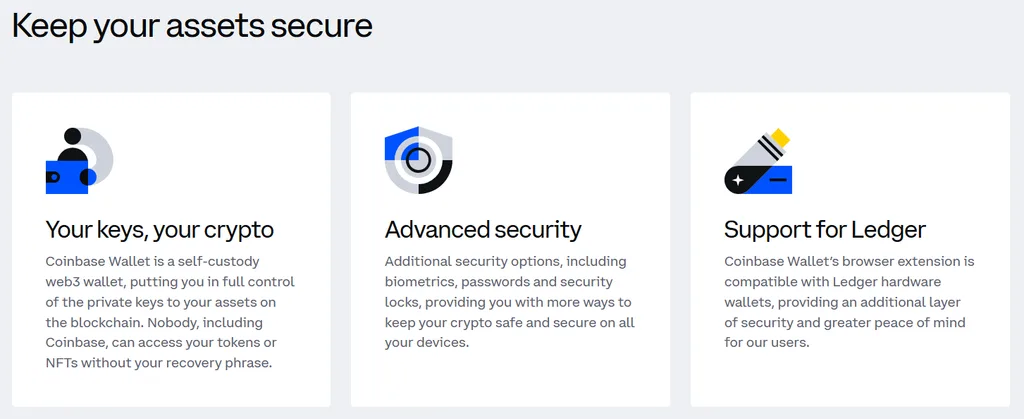
Coinbase Wallet and Vault
Coinbase Vault offers added security for users who want to store larger amounts of cryptocurrency. It requires multiple approvals for withdrawals, thanks to MultiSig technology. This adds an extra layer of protection against unauthorized access and theft, making it a safer option for serious investors.
Two-Factor Authentication and Account Recovery
Coinbase also has a detailed account recovery process in place. If a user loses access to their account or device, they can recover it by confirming their identity through multiple verification steps. This helps ensure that only the rightful owner can regain access.
Regulatory Compliance and Financial Security
Regulatory compliance and financial security are crucial factors in assessing the safety of Coinbase. This platform follows strict guidelines to protect users and maintain transparency.
Adhering to KYC and AML Directives
The KYC process involves submitting personal information such as:
Name
Address
Date of birth
Government-issued ID
Additionally, AML procedures help monitor transactions for suspicious activity.
FDIC Insurance and Fund Safety
Coinbase provides some level of protection for users' funds through FDIC insurance for U.S. dollar deposits. This insurance covers accounts up to $250,000 in case of a bank failure.
Users should understand that while crypto assets stored on Coinbase do not have FDIC insurance, the platform takes security seriously. This includes using advanced technology and regulatory oversight to protect user funds. Also, Coinbase operates under stringent compliance standards, which often include conditions like obtaining a BitLicense in New York.
This combination of regulatory compliance and financial protections contributes to the overall safety of the platform.
User Privacy and Data Protection
Personal Information Handling
Coinbase requires users to provide personal information to verify their identities. This process is similar to opening a bank account and includes details such as name, address, and date of birth. The verification helps to prevent fraud and ensures that accounts are set up for legitimate purposes.
Coinbase also adheres to strict data protection regulations. They implement measures to safeguard user data, such as data encryption and minimizing the amount of personal information collected. This is crucial in maintaining privacy while still ensuring compliance with regulations in the jurisdictions where they operate.

Preventing Data Breaches
To prevent data breaches, Coinbase utilizes various security technologies. This includes bank-level AES-256 encryption, which protects user data and financial transactions. Additionally, all communications between users and Coinbase support are secured using Transport Layer Security (TLS).
Coinbase also employs internal monitoring systems to detect suspicious activities. They have experienced security incidents in the past, but they continue to enhance their security measures. Features like two-factor authentication and biometric verification further strengthen account protection against unauthorized access.
Trading Experience on Coinbase
The trading experience on Coinbase focuses on user convenience and a variety of cryptocurrency options. With a simple interface, even beginners can navigate easily and execute trades quickly.
Ease of Buying and Selling Crypto
Once an account is set up, purchasing crypto becomes fast. Users select their desired digital currency and enter the amount. After confirming the transaction, the crypto appears in their wallet almost immediately.
Selling crypto is equally straightforward. Users simply choose the asset they wish to sell and specify the amount. This simplicity helps both new and experienced traders feel confident in their decisions.

Diverse Cryptocurrency Selection
Coinbase offers a wide selection of cryptocurrencies for trading. Users can access popular options like Bitcoin and Ethereum, as well as emerging altcoins like Solana and Dogecoin. This diverse range enables traders to explore different digital currencies and investment strategies.
In total, Coinbase supports over 247 cryptocurrencies, giving users the freedom to diversify their portfolios. The platform also regularly adds new coins based on market demand and user interest. This extensive selection ensures that traders have plenty of choices, which can help them find the right investment for their needs. Users can easily view current market trends and make informed trading decisions.
Customer Support and Service Quality
Coinbase provides several avenues for customer support, but users often have mixed experiences.
User Support Channels
Users report that email responses can vary in speed, depending on the volume of requests. It's important for customers to provide detailed information about their issues to get faster assistance.
Efficiency of Incident Response
When it comes to incidents like unauthorized access, Coinbase advises users to contact support immediately. The incident response team is trained to handle these situations efficiently. They gather details about any suspicious activity to offer appropriate solutions.
Users have raised concerns about the efficiency of the response time, particularly during high-traffic periods. Although many customers appreciate the email support, some experience delays during critical situations.
Coinbase's Additional Services and Features
Coinbase offers a variety of services and features to enhance the user experience and cater to different types of traders. These options include a platform for advanced traders and convenient payment methods that simplify transactions.
Coinbase Pro for Advanced Traders
Coinbase Pro is tailored for those who have experience in crypto trading. It provides enhanced tools and features for users to execute trades more effectively. This platform offers:
Lower Fees: Compared to standard Coinbase, Pro charges lower fees, making it more attractive for high-volume traders.
Advanced Charting: Users have access to real-time market data and detailed charts, which help them make informed trading decisions.
Limit and Stop Orders: It allows traders to set specific price points for buying and selling, offering greater control over trades.
This combination of features makes Coinbase Pro a solid choice for serious traders looking to optimize their strategies.
Crypto Apps and Payment Methods
Coinbase supports various payment methods and offers apps to facilitate transactions. Users can buy and sell cryptocurrencies through:
Google Pay and PayPal: These platforms allow for quick deposits and withdrawals, making transactions more accessible.
- Coinbase Card: This debit card lets users spend their crypto holdings directly in shops, bringing their digital assets into daily life.
Additionally, the Coinbase app provides a user-friendly interface for managing assets on the go. Features like price alerts and seamless trading enhance the mobile experience for users. These options make it easier for anyone to manage their crypto portfolio effectively.
Protection Against External Threats
Coinbase implements several measures to guard against threats from hackers and scammers. Two significant risks are phishing scams and hacking attempts.
Phishing Scams and Hacking Attempts
Phishing scams often trick users into revealing personal information. They usually come as fake emails or websites that resemble Coinbase. Users should look for signs of phishing, such as strange URLs or requests for sensitive information.
Security Tips:
Always check URLs for authenticity.
Ignore unsolicited requests for information.
Use strong passwords and enable two-factor authentication (2FA) to add another layer of security.
Hacking attempts can also target users directly. Coinbase has experienced breaches over the years but has strong security protocols. They include monitoring user accounts for suspicious activity and quickly addressing any security incidents. Regular security assessments help keep the platform safe.

Tips for Personal Security and Best Practices
Protecting a Coinbase account starts with strong personal security measures. Users should focus on creating robust passwords and understanding scams that target investors.
Creating a Strong Password and Secure Seed Phrase
Password Tips:
Avoid using easily guessed information, such as birthdays or names.
Consider using a password manager to generate and store complex passwords securely.
Seed Phrase Tips:
Do not share the seed phrase with anyone.
Avoid storing it online where it can be hacked or stolen.
Educating Users on Investment Scams
Investment scams can be particularly harmful for cryptocurrency users. Cybercriminals often use tactics like phishing emails to steal account credentials.
Common Scam Signs:
Emails or messages asking for personal information.
Promises of guaranteed returns on investments.
Education is key in identifying these scams. Users should familiarize themselves with the types of threats they may face.
Coinbase provides resources to help users understand security features and recognize suspicious activity. Transparency in communications can also help protect against fraud. Users should regularly review account activity and report anything unusual.
Understanding Risks in Cryptocurrency Trading
Market Risk and Volatility
Market risk refers to the potential for financial loss due to fluctuations in cryptocurrency prices. These price changes can be extreme, leading to significant gains or losses in a short period.
For instance, Bitcoin's price can rise or fall by thousands of dollars in just hours. This volatility can be caused by factors like market demand, regulatory news, or broader economic conditions.
Maintaining Self-Custody of Crypto Assets
Self-custody involves keeping one's cryptocurrency in personal wallets instead of storing it on a crypto trading platform. This method gives users full control over their assets, reducing reliance on third-party security.
Maintaining self-custody can protect against risks like hacking and platform outages. For example, if a trading platform experiences security breaches, users might lose their funds.
To effectively store crypto, individuals should create strong, unique passwords and take advantage of hardware wallets. These devices store crypto offline, adding an extra layer of security.
Frequently Asked Questions
Can you trust Coinbase with your personal information?
Coinbase takes personal data protection seriously. They implement strong encryption and security protocols to protect sensitive information from unauthorized access.
What measures does Coinbase take to protect its users from hackers?
Coinbase uses a variety of security measures, including two-factor authentication (2FA), cold storage for assets, and regular security audits. These steps help reduce the likelihood of successful cyberattacks.
Is it secure to link your bank account with Coinbase?
Linking a bank account to Coinbase is generally safe. Coinbase employs security measures, such as encryption and monitoring for suspicious activity, to protect users' financial information.
What are the potential risks of using Coinbase for cryptocurrency transactions?
Potential risks include market volatility, phishing scams, and account hacking. Users must stay vigilant and use best practices to minimize these risks while trading.
How does Coinbase handle user ID verification safely?
Coinbase requires users to submit identification for verification. They use secure systems to store and process this information, ensuring it remains private and protected.
Are there any known security incidents involving Coinbase?
There have been some past incidents, including hacks targeting users, but Coinbase has taken steps to improve security since then.