
In This Article
- What Is a Bitcoin Escrow Service?
- Why Bitcoin Escrow Services Are Important
- How Bitcoin Escrow Works
- Types of Bitcoin Escrow Services
- Advantages of Bitcoin Escrow Services
- Potential Risks and Limitations
- Common Use Cases for Bitcoin Escrow
- How to Choose a Reliable Bitcoin Escrow Service
- The Future of Crypto Escrow
- Final Thoughts
Bitcoin and other cryptocurrencies have revolutionized digital payments by enabling fast, borderless transfers without intermediaries. However, this decentralized nature also creates a challenge: transactions are irreversible and often occur between parties who do not know or trust each other.
This is where Bitcoin escrow services come in. Escrow solutions act as a trusted intermediary that holds funds during a transaction and releases them only when agreed conditions are fulfilled. By providing an extra layer of security, escrow services help prevent fraud and ensure that both parties meet their obligations.
This guide explores what Bitcoin escrow services are, how they work, why they matter, and when they should be used:
What Is a Bitcoin Escrow Service?
A Bitcoin escrow service is a secure arrangement in which a neutral third party temporarily holds cryptocurrency until the terms of a transaction are fulfilled.
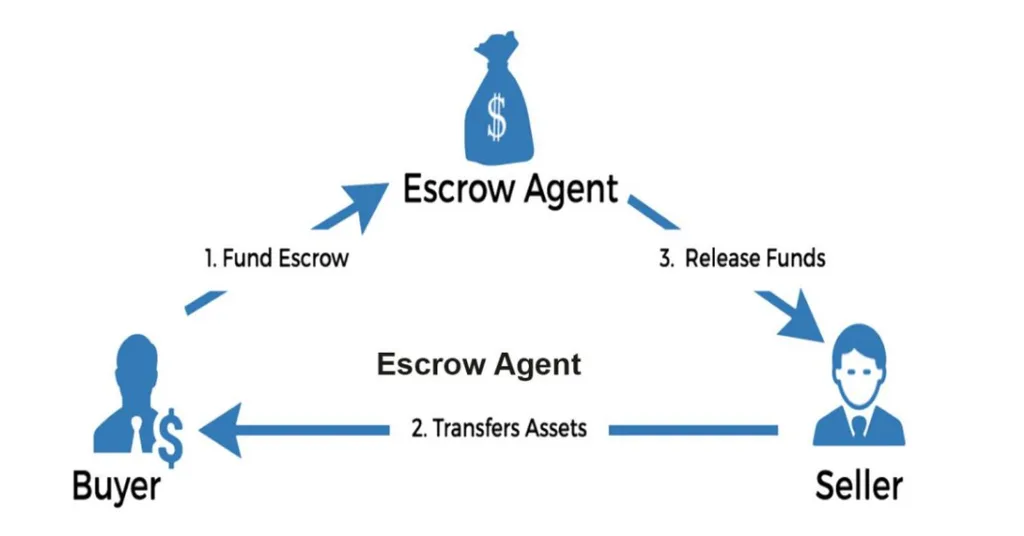
Instead of sending Bitcoin directly to a seller, the buyer sends the funds to the escrow service. The escrow agent holds the funds until the seller delivers the agreed product or service. Once the buyer confirms that everything is correct, the escrow service releases the Bitcoin to the seller.
This process protects both parties:
Buyers know their funds won’t be released until they receive what they paid for.
Sellers know the buyer has already committed funds before delivering the goods.
Escrow services are commonly used in peer-to-peer crypto trades, freelance payments, large over-the-counter (OTC) Bitcoin deals, and digital asset marketplaces.
Why Bitcoin Escrow Services Are Important
Cryptocurrency transactions are permanent. Once Bitcoin is sent, it cannot be reversed or refunded. This makes trust a critical factor when dealing with unknown parties.
Escrow services solve this problem by acting as a trusted intermediary that ensures fairness and accountability during the transaction process.
Key reasons people use escrow services include:
Fraud prevention: Funds are only released after both parties meet their obligations.
Trust between strangers: Escrow allows two parties who don’t know each other to transact safely.
Dispute resolution: Many escrow services mediate disputes if something goes wrong.
Security for large transactions: High-value deals, like buying digital assets or trading Bitcoin OTC, often rely on escrow.
In the crypto world—where anonymity and global transactions are common—these protections are extremely valuable.
How Bitcoin Escrow Works
Although platforms may vary slightly, the typical Bitcoin escrow process follows a clear sequence.
1. Agreement Between Buyer and Seller
Both parties agree on the transaction details, including price, delivery method, and timeline.
2. Buyer Deposits Bitcoin Into Escrow
Instead of sending BTC directly to the seller, the buyer transfers the agreed amount to the escrow account.
3. Seller Delivers the Product or Service
Once the escrow confirms the deposit, the seller fulfills their part of the deal.
4. Buyer Confirms Completion
The buyer verifies that the product or service matches the agreement.
5. Escrow Releases the Bitcoin
After confirmation, the escrow service releases the funds to the seller.
If a dispute occurs, the escrow provider reviews the evidence and decides how the funds should be distributed.
(Source: Phemex)
Types of Bitcoin Escrow Services
Not all escrow systems operate the same way. There are several different types used in the crypto ecosystem.
Third-Party Escrow Services
These are centralized services that hold funds on behalf of both parties until conditions are met.
Examples include escrow platforms integrated into crypto marketplaces or OTC trading desks.
Multi-Signature Escrow
In this setup, a multi-signature wallet requires multiple keys to release funds.
For example:
Buyer key
Seller key
Escrow mediator key
Funds can only be released when a majority of keys approve the transaction.
Smart Contract Escrow
Blockchain technology allows escrow to be automated through smart contracts. These programs lock cryptocurrency in a contract and automatically release it once predefined conditions are met.
Smart-contract escrows are common in decentralized applications and DeFi platforms.
Advantages of Bitcoin Escrow Services
Using escrow offers several benefits for crypto transactions.
Enhanced Security
Escrow prevents funds from being released prematurely, reducing the risk of scams.
Greater Trust
Buyers and sellers can transact confidently even without prior relationships.
Dispute Mediation
If something goes wrong, the escrow service can review the situation and help resolve the dispute.
Ideal for High-Value Deals
Large cryptocurrency transactions often involve escrow to minimize risk.
Potential Risks and Limitations
Although escrow improves transaction security, it is not without risks.
Fake Escrow Services
Scammers sometimes create fraudulent escrow platforms to steal funds. This is known as a bogus escrow scam, where the fake service disappears with the money.
Additional Fees
Escrow providers typically charge a service fee.
Centralization Risk
If the escrow service itself is compromised or hacked, funds could be at risk.
Because of these risks, it is important to use reputable escrow services with a proven track record.
Common Use Cases for Bitcoin Escrow
Bitcoin escrow services are widely used in several scenarios.
Peer-to-peer crypto trading: Marketplaces often hold Bitcoin in escrow until both parties complete the trade.
Freelance payments: Clients can deposit funds before work begins, ensuring freelancers get paid once the job is completed.
OTC crypto deals: Large Bitcoin purchases between institutions frequently use escrow.
Digital asset sales: Domain names, NFTs, and other digital goods may use escrow for secure transfers.
How to Choose a Reliable Bitcoin Escrow Service
When selecting an escrow provider, consider the following factors:
Reputation and reviews
Security practices
Transparency in fees
Clear dispute resolution process
Integration with trusted crypto platforms
Well-known platforms often integrate escrow directly into their trading systems, which can improve reliability.
The Future of Crypto Escrow
As cryptocurrency adoption grows, escrow services are becoming more advanced. Smart contracts and decentralized escrow systems are replacing traditional intermediaries.
In the future, escrow services may become fully automated through blockchain technology, reducing fees while increasing transparency and trust in digital transactions.
Final Thoughts
Bitcoin escrow services play a crucial role in making cryptocurrency transactions safer. By holding funds until both parties fulfill their obligations, escrow services reduce fraud, build trust, and enable secure transactions between strangers.
Whether you are trading Bitcoin peer-to-peer, purchasing digital assets, or completing a high-value crypto deal, escrow can provide the protection needed in a decentralized financial world.