The mission featured the 17th flight of booster B1085, which also landed successfully after launch. The satellite will replace two aging SiriusXM spacecraft in geostationary orbit. The launch comes just weeks after the company's record-breaking IPO, with SpaceX shares closing at approximately $153 at the end of last week.
SpaceX Deploys New SiriusXM Broadcasting Satellite
A rocket launch by SpaceX successfully placed a new SiriusXM communications satellite into orbit late Sunday. The Falcon 9 rocket lifted off from Space Launch Complex 40 at Cape Canaveral Space Force Station in Florida at 10:25 p.m. EDT (0225 UTC), carrying a multi-ton satellite that is designed to replace two aging SiriusXM satellites currently operating in geostationary Earth orbit.
The rocket launch was powered by Falcon 9 first-stage booster B1085, which completed its 17th flight. The reusable booster has become one of the company's most experienced rockets, having previously supported several high-profile missions, including NASA's Crew-9 astronaut mission, the US Space Force's RRT-1 mission, Firefly Aerospace's Blue Ghost Mission 1 lunar lander, the Fram2 mission, SiriusXM's SXM-10 satellite launch, Europe's MTG-S1 weather satellite, EchoStar XXV, and nine Starlink missions.
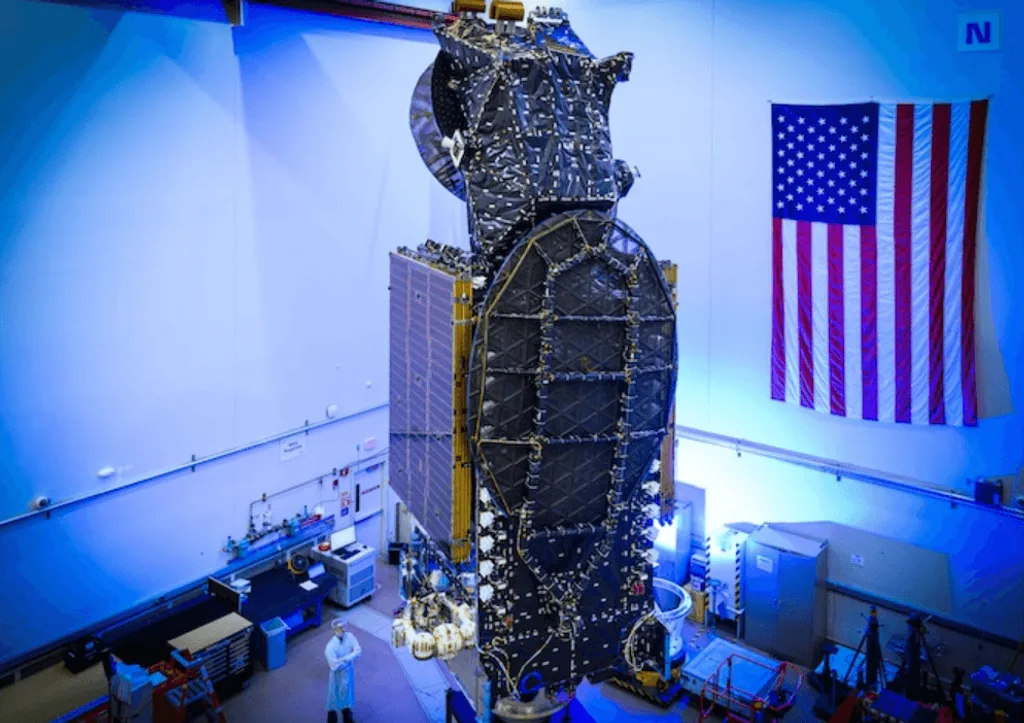
SiriusXM’s SXM-11 satellite
This latest mission only strengthens SpaceX's reputation as the world's leading commercial launch provider. The company has built its dominance on the ability to reuse Falcon 9 boosters, which greatly reduces launch costs while maintaining a high mission success rate. Commercial customers, governments, and scientific organizations now rely on the Falcon 9 for satellite deployments, cargo missions, and crewed spaceflight.
The SiriusXM satellite will eventually take over broadcasting responsibilities from older spacecraft stationed in geostationary orbit approximately 35,786 kilometers above Earth. Operating in this orbit allows satellites to stay fixed relative to the Earth's surface, providing uninterrupted radio coverage across North America.
Beyond its launch business, SpaceX also recently attracted a lot of investor attention after its historic initial public offering earlier this month. The company officially debuted on the Nasdaq on June 12 under the ticker symbol SPCX in what became the largest IPO in history after raising approximately $75 billion and giving the aerospace giant an initial valuation of roughly $1.75 trillion.
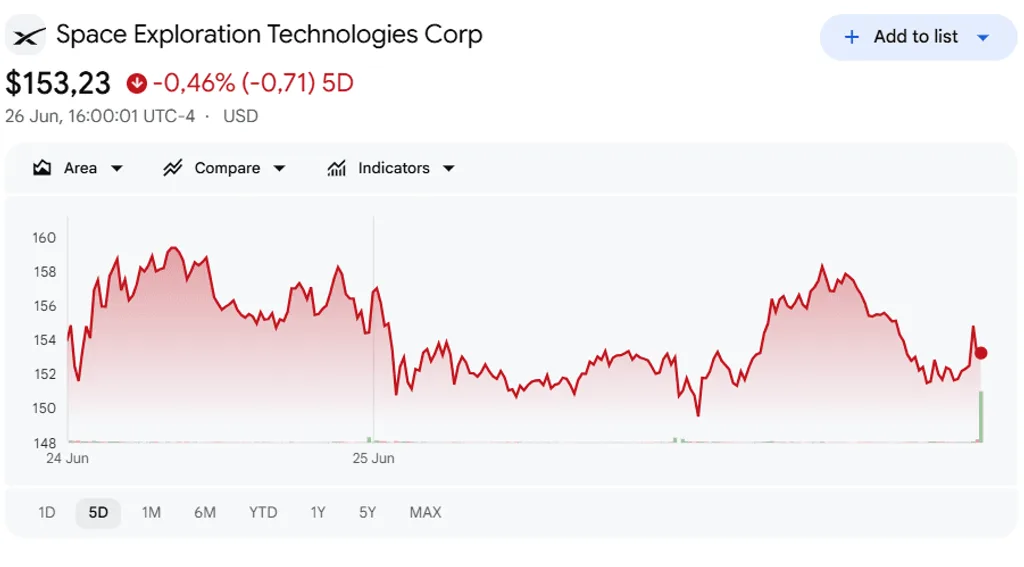
SPCX price over the past 5 days (Source: Google Finance)
Since going public, SpaceX shares have experienced some volatility. After initially surging above $225 shortly after listing, the stock has pulled back sharply. At the end of last week, SpaceX stock closed at approximately $153 per share, remaining above its IPO offering price but well below its post-listing highs.