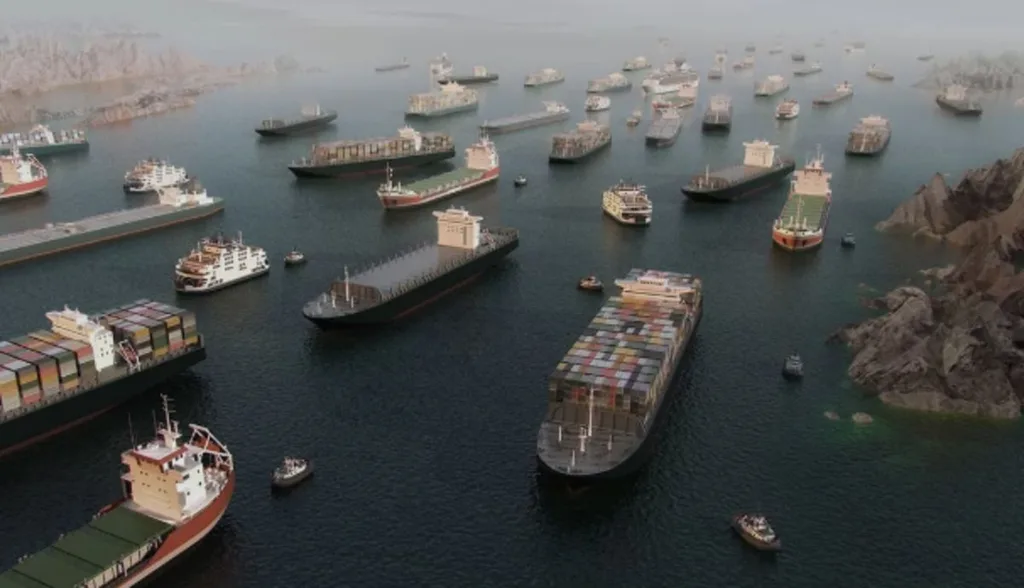
Oil flows through the Strait of Hormuz have staged a recovery in September, and offered some relief to global energy markets. However, continued tensions in the Middle East keep crude prices elevated.
Crude exports through the strategically important waterway are estimated at roughly 12.8 million barrels per day in September, according to Kpler data. That is a big improvement from the severe disruptions that were seen earlier in the conflict, although flows are still well below pre-war levels.
Middle Eastern crude exports have also climbed to their highest level since the conflict involving the US, Israel and Iran began in February. Regional shipments reached around 16.3 million barrels per day this month, compared with roughly 19.5 million barrels per day before the conflict.
Saudi Arabia Drives Oil Export Recovery
Saudi Arabia has played a major role in the rebound. Its crude exports increased sharply during September, while 19 Very Large Crude Carriers, each capable of carrying roughly 2 million barrels, passed through Hormuz last week. Actual flows could be higher because some vessels have reportedly travelled with tracking systems switched off.
Saudi Arabia is simultaneously rebuilding its ability to bypass Hormuz. Oil loadings have resumed at Yanbu on the Red Sea after the restart of the kingdom's East-West Pipeline. Loadings are currently running at around 2 million barrels per day, while pipeline throughput has reached approximately 2.65 million barrels per day and could rise further.
That gives Saudi Arabia another route to international markets if conditions around Hormuz deteriorate again.
There are signs of recovery elsewhere in the energy market as well. Qatar-linked LNG vessels have resumed visible movements through Hormuz after traffic dropped sharply in August. This suggests that some shipping companies are becoming more willing to use the route despite the security risks.
Oil Prices Are Still Rising
The improvement in physical oil flows has not been enough to eliminate the geopolitical premium in crude markets.
Brent crude climbed to around $107 per barrel on Tuesday, while West Texas Intermediate traded near $94, with both benchmarks rising for a second consecutive session.
Traders are still concerned that renewed escalation could once again disrupt Hormuz, especially while current workarounds are more expensive and less efficient than normal operations.
For oil markets, the picture is therefore improving but far from normal. More crude is reaching international buyers, but one of the world's most important energy chokepoints is still vulnerable to another sudden disruption.