Key takeaways
- Crypto groups spent $176 million across 100-plus races
- Coinbase and Ripple back influential political spending networks
- CLARITY Act remains stalled after failed Senate vote
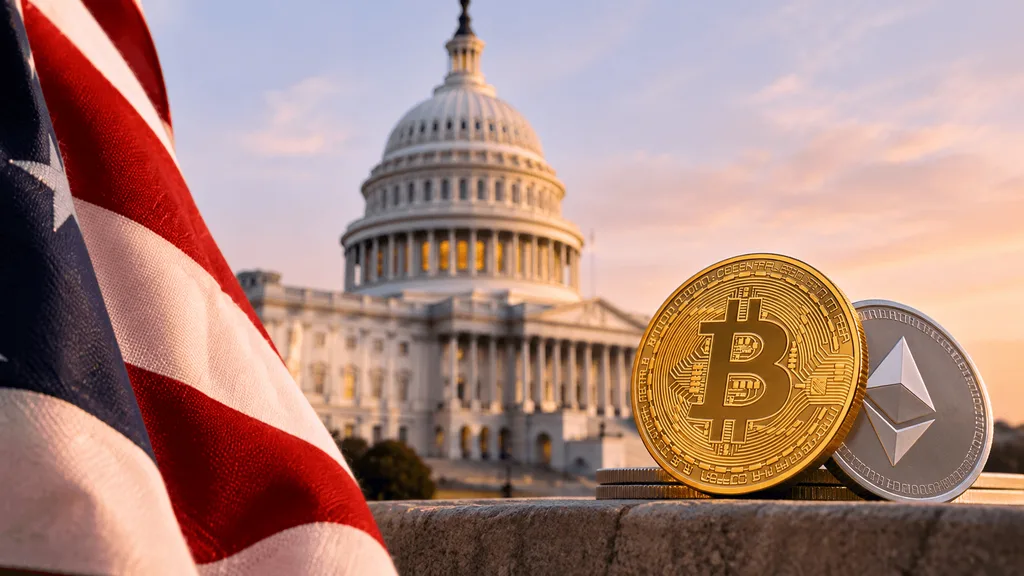
The cryptocurrency industry has spent approximately $176 million influencing more than 100 US congressional races ahead of November 3's midterm elections, even as its biggest legislative priority, the CLARITY Act, remains stalled in Washington.
A Reuters investigation found that Fairshake and affiliated political committees accounted for approximately $150.8 million through October 20, while other cryptocurrency groups contributed another $25 million in election spending.
The campaign represents a major escalation in crypto's political influence, with Coinbase, Ripple and venture capital firm Andreessen Horowitz among the industry's most prominent financial backers.
However, the spending has not secured passage of comprehensive federal cryptocurrency legislation.
Crypto PACs Spend Millions as CLARITY Act Remains Stalled
The industry's political strategy centers on Fairshake, a super political action committee that spent approximately $196 million during the 2024 election cycle.
Fairshake says 53 of the 58 candidates it supported during 2026 primaries or special elections won their contests, although those victories do not guarantee favorable legislative outcomes.
The spending has also intensified political battles involving candidates skeptical of cryptocurrency regulation proposals.
In Ohio, cryptocurrency-linked political groups have spent more than $68 million in the Senate contest between Democrat Sherrod Brown and Republican Jon Husted, according to Reuters.
Earlier, Fairshake affiliate Protect Progress committed $1.5 million to oppose Texas Representative Al Green over his positions on cryptocurrency legislation.
Why $176 Million Has Not Secured the CLARITY Act
The industry's central objective remains establishing clearer federal rules governing cryptocurrency exchanges, digital commodities and the division of authority between the SEC and CFTC.
However, the CLARITY Act failed to advance in the Senate on September 15, when lawmakers rejected a procedural motion by 49 votes to 50.
The unsuccessful vote prevented debate from proceeding under the required 60-vote threshold. It was not a final vote on the legislation itself.
Disagreements over ethics provisions, financial safeguards and regulatory oversight had already complicated bipartisan negotiations.
The industry's preferred legislation would establish a more durable framework than administrative regulations that could potentially change under future presidents.
For Ripple, the setback is particularly significant after years spent pursuing regulatory certainty following its prolonged SEC litigation.
What US Midterm Elections Mean for Crypto Regulation
The November 3 elections could reshape the legislative environment surrounding digital assets, particularly if control of either congressional chamber changes.
Fairshake has supported candidates from both parties, although its most expensive Senate interventions have favored Republicans or opposed Democratic candidates.
The industry's efforts have also attracted criticism from campaign-finance watchdogs, who argue that enormous corporate expenditures can distort elections and amplify industry influence over policy.
Meanwhile, the SEC has continued developing alternative regulatory frameworks even without comprehensive legislation.