Key takeaways
- Mercer filed for Chapter 11 protection on Nov. 9
- Creditors are expected to receive 91.5% of the reorganized company
- Mercer plans to maintain normal operations and emerge from bankruptcy by the end of December 2026
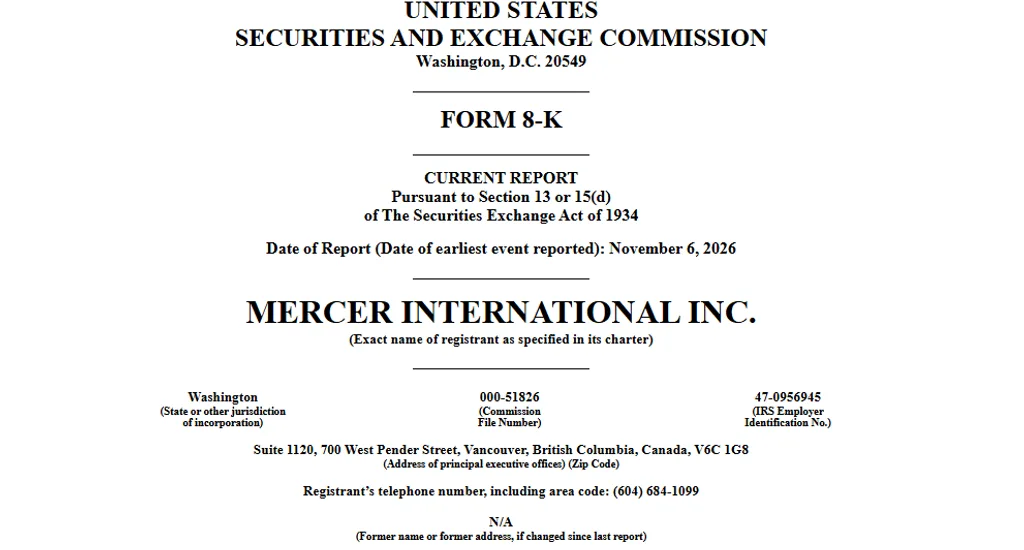
Mercer International (NASDAQ: MERC), a global producer of pulp, paper and wood products, filed for Chapter 11 bankruptcy protection on Nov. 9, 2026. This is part of a restructuring agreement aimed at eliminating approximately $900 million in debt and transferring majority ownership to creditors.
The company and one non-operating subsidiary filed voluntary bankruptcy petitions in the US Bankruptcy Court for the Southern District of Texas. The filing followed a Nov. 2 agreement with senior noteholders to overhaul Mercer's capital structure.
Unlike a liquidation, the bankruptcy process is designed to allow Mercer to continue operating while restructuring its finances.
Mercer International Bankruptcy Plan Gives Creditors Control
Under the proposed restructuring, Mercer expects to reduce its outstanding senior note debt by approximately 88%, which will eliminate more than $100 million in annual cash interest payments.
The agreement also includes a fully backstopped $400 million rights offering intended to provide fresh capital and strengthen the company's liquidity. However, the deal will dilute existing shareholders.
Senior noteholders are expected to receive 91.5% of the reorganized company's common stock, while existing shareholders will receive approximately 8.5%. Current shares will be cancelled and replaced with new equity under the proposed plan.
The restructuring received support from holders of more than 88% of Mercer's outstanding senior notes.
Why Did Mercer International File for Bankruptcy?
Mercer's financial difficulties followed an extended period of challenging conditions in the global pulp and paper industry. Weak pulp prices, reduced demand linked to oversupply in China's paper industry, and rising wood fiber costs placed a lot of pressure on the company's profitability.
Mercer reported a net loss of $59.2 million for the third quarter of 2026, despite improving from an $80.8 million loss during the same period in 2025. The company also faced approximately $1.6 billion in funded debt and substantial annual interest obligations, which makes its existing capital structure very difficult to sustain.

Mercer International Q3 2026 earnings
These pressures ultimately led Mercer to pursue a restructuring rather than continue operating under its previous debt arrangements.
What Happens Next for Mercer International?
Mercer expects to emerge from Chapter 11 bankruptcy by the end of December 2026, subject to court approval and regulatory requirements.
Its operating subsidiaries in Canada, Germany and the United States are not included in the bankruptcy proceedings and are expected to continue normal operations.
For MERC shareholders, the restructuring brings a major ownership change. Although existing investors are expected to receive shares in the reorganized business, their collective ownership will shrink quite a bit.
The company hopes its reduced debt burden and additional financing will provide a more sustainable foundation for recovery in the global pulp and paper markets.